Choose Electronics Recycling for Data Protection
Sustainable Solutions: How E-Waste Recycling Services Are Saving Our Planet
E-waste poses significant threats to the environment, as discarded electronics often contain toxic materials. These hazardous substances can contaminate soil and water, leading to broader ecological damage. Electronic waste recycling programs offer an effective remedy. They not only recover valuable resources but also mitigate pollution. Gaining insight into how these programs function and affect local communities is critical. The journey towards effective e-waste management raises critical questions about individual responsibility and collective action. What steps can be taken next?
How E-Waste Is Hurting the Planet
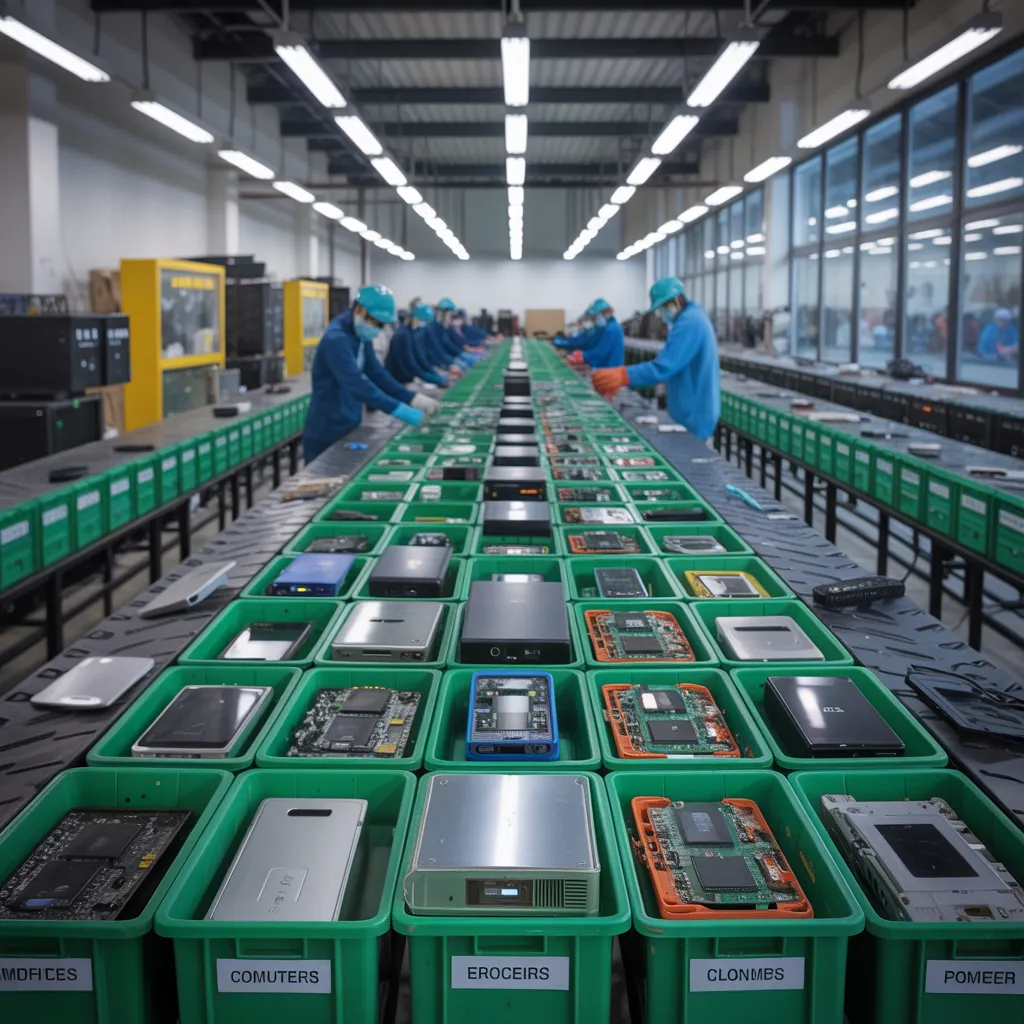
While technology enriches our daily lives, electronic waste presents considerable environmental hazards. Abandoned electronic gadgets, frequently composed of toxic substances including cadmium, lead, and mercury, are capable of seeping pollutants into soil and groundwater, presenting dangers to human health and ecosystems. The accelerating rate of technological innovation contributes to higher rates of electronics disposal among consumers, exacerbating the accumulation of electronic waste.
Landfills, already burdened with waste, struggle to accommodate the growing volumes of discarded gadgets. Incineration, a common waste management technique, emits dangerous pollutants into the environment, degrading atmospheric conditions. In addition, improper recycling practices can lead to the exportation of e-waste to developing countries, where laborers may dismantle devices without adequate safety measures, exposing themselves to dangerous substances. This ongoing cycle of carelessness and inadequate management emphasizes the pressing necessity for responsible recycling initiatives that can lessen the harmful consequences of e-waste on our world.
What Is E-Waste and Why Does It Matter?
E-waste, also referred to as electronic waste, includes obsolete electronic products such as computers, smartphones, and televisions that have reached the end of their useful life. This growing category of waste is significant because of its swift buildup, propelled by advances in technology and evolving consumer behaviors. With an increasing number of devices reaching obsolescence, the ecological consequences become more pronounced, with harmful substances like lead, mercury, and cadmium presenting serious hazards to the environment and human well-being.
The importance of addressing e-waste lies not only in mitigating these hazards but also in recognizing the valuable materials it contains. Critical metals and rare earth components can be reclaimed and recycled, decreasing the reliance on mining and protecting natural resources. By understanding e-waste and its implications, individuals and organizations can make informed decisions about disposal and recycling, ultimately contributing to a more sustainable future. Proper management of e-waste is essential for fostering a circular economy and promoting environmental stewardship.
The Way E-Waste Recycling Functions
Recycling e-waste involves a systematic process designed to recover valuable materials while minimizing environmental impact. At the outset, electronic waste is gathered and delivered to specialized recycling facilities. After reaching the facility, the equipment is meticulously organized to distinguish harmful elements from reusable resources.
Subsequently, employees dismantle the products, recovering plastics, metals, and glass. This stage is crucial, as it facilitates the reclamation of valuable metals like copper, gold, and silver, which may be utilized in new electronics.
Subsequently, the sorted materials are handled through advanced techniques, such as Check it out shredding and chemical treatments, to prepare them for reuse.
In the final step, the residual dangerous materials are managed properly, complying with eco-friendly standards. This systematic method not only preserves valuable resources but also mitigates the risks linked to improper e-waste disposal, securing a more eco-conscious future for the consumption of electronics.
Advantages of E-Waste Recycling for You and Your Community
Though many people are unaware, the advantages of e-waste recycling extend beyond personal convenience to positively impact entire communities. By responsibly disposing of electronic waste, individuals play a role in creating a healthier environment, decreasing toxic components that can contaminate soil and water. This proactive approach works to protect local ecosystems and supports public health.
In addition, e-waste recycling fosters the creation of jobs in communities. Nearby recycling establishments regularly need employees for various operations, including collection and processing, consequently creating meaningful employment within the community. This not only enhances the community economy but also fosters community involvement in eco-friendly practices.
Furthermore, knowledge about e-waste recycling is capable of inspiring community outreach programs, equipping residents to embrace sustainable practices. By taking part in e-waste recycling programs, individuals promote a culture of sustainability, prompting others to follow suit. In summary, the cumulative impact of these actions can contribute to a more robust and eco-friendly community.
How to Choose an E-Waste Recycling Service
Choosing the most suitable electronic waste recycling provider is vital for making sure that e-waste is handled in a responsible and sustainable manner. Initially, people should confirm the service's credentials, such as R2 or e-Stewards, which demonstrate conformance to established benchmarks for responsible recycling methods. It is equally important to evaluate the organization's standing by checking reviews and looking for referrals from reliable sources.
Moreover, openness in the recycling process is crucial. A trustworthy provider should supply straightforward details about the way e-waste is handled and how the materials are utilized. Additionally, evaluating the range of services offered can be beneficial; some companies may provide pickup services or offer incentives for recycling.
Ultimately, understanding area-specific requirements for e-waste disposal may further shape the evaluation process. By taking these elements into account, residents can actively participate in successful electronic waste reduction as well as promoting eco-friendly habits.
How You Can Take Part in E-Waste Recycling?
Participating in e-waste recycling can start at the local level, where local recycling facilities regularly supply essential services for responsible disposal. Additionally, participating in community awareness campaigns can strengthen efforts to inform others regarding the importance of responsible e-waste management. Such efforts not only promote sustainability but also build a collective sense of stewardship of the environment.
Local Recycling Centers
A wide range of local recycling centers fulfill a critical purpose in the recycling of e-waste, giving communities practical solutions to dispose of electronic waste responsibly. These facilities handle a variety of electronic items, including aging computers, cell phones, and television sets, ensuring that harmful materials are handled safely. Most stations have trained staff who support individuals in understanding proper disposal practices, stressing the significance of recycling instead of landfilling. Furthermore, various hubs coordinate organized drop-off opportunities or appointed collection periods, making it easy for residents to participate. By taking advantage of these neighborhood resources, community members advance a circular economy, decreasing environmental damage and advancing sustainable approaches. Engaging with these centers empowers communities to take action against e-waste pollution effectively.
Community Outreach Campaigns
Local organizations, schools, and businesses can work together to organize events that support e-waste collection drives. Volunteers can play a pivotal role in raising awareness, sharing informational resources, and connecting with local residents. By means of these joint initiatives, local inhabitants gain greater awareness and encouragement to properly recycle their e-waste, thereby helping to build a greener and more sustainable tomorrow.
Frequently Asked Questions
What Kinds of Electronics Can Be Recycled?
Numerous electronics can be recycled, including smartphones, computers, laptops, televisions, printers, and gaming consoles. Furthermore, accessories such as keyboards, mice, and batteries are also suitable for recycling, supporting sustainable environmental practices.
Is There a Cost Associated With E-Waste Recycling?
That's correct, electronic waste recycling can include costs, based on the facility. Some facilities impose charges for collection or processing, while others provide no-cost solutions, typically funded by the resale of recovered materials.
How Can Businesses Benefit From E-Waste Recycling?
Organizations can gain from e-waste recycling by minimizing disposal costs, enhancing their environmental image, complying with regulations, extracting valuable resources, and possibly earning income through resale, thereby fostering a more environmentally responsible business approach.
What Occurs with Data on Recycled Devices?
Details from refurbished electronics is frequently irretrievably wiped or obliterated throughout the recycling process. This confirms private details remains secure, blocking unwanted intrusion while allowing components to be repurposed securely and sustainably across new manufacturing processes.
Is It Possible to Recycle Damaged Electronics?
Yes, defective electronics can be recycled. Many facilities receive broken devices, ensuring proper disposal and retrieval of recoverable materials. This effort helps reduce environmental impact while promoting eco-friendly recycling methods to manage electrical waste responsibly.